Dystopian Literature
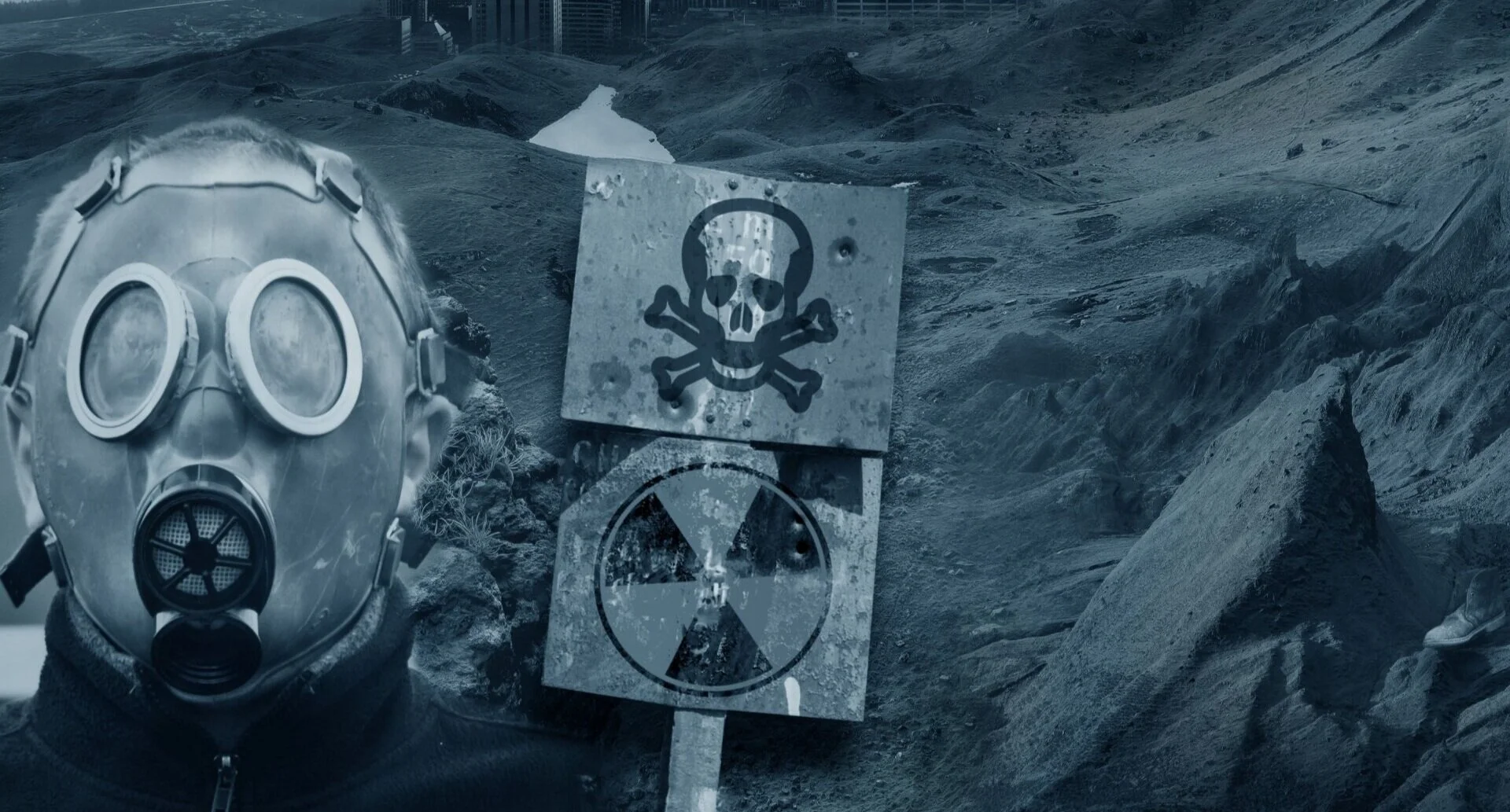
According to the Science-Fiction Dictionary, Brave New Words, dystopian literature is "an imagined society or state of affairs in which conditions are extremely bad, especially in which these conditions result from the continuation of some current trend to an extreme."
Name three synonyms for dystopia...
a. apocalypse
b. antiutopia
c. imagined
What is the antonym for dystopia?
antiutopia
Dystopian Origins and Characteristics
Dystopia is a relatively new genre but has deeply rooted origins dating back to Thomas More's 1516 text Utopia. Dystopia fiction often comes about when major events happen in the world (WWII, the rise of communism, major advances in technology).
Defining features of dystopia include:
Full Government control
Citizens relinquishing all rights
Seemingly perfect societies with a dark side to them
The rise of technology, and how it overtakes humanity
Citizens have a fear of the outside world
Citizens worship one leader
Citizens live in a dehumanised state
Types of Dystopian Controls
Corporate control: One or more large corporations control society through products, advertising, and/or the media.
Bureaucratic control: Society is controlled by a mindless bureaucracy through a tangle of red tape, relentless regulations, and incompetent government officials.
Technological control: Society is controlled by technology—through computers, robots, and/or scientific means.
Philosophical/religious control: Society is controlled by philosophical or religious ideology often enforced through a dictatorship or theocratic government.
Which dystopian novels have you read?
a. Honestly none.
How many others can you name?
a. The Hunger Games
If you have read or viewed some dystopia, what are some of the key elements you have noticed?
a. That it is a horrible world, and the government is the key problem.
FAMOUS DYSTOPIAN TEXTS
1984 - George Orwell - often seen as the definitive text - 'Big Brother is watching you
Brave New World - Aldous Huxley - once again an earlier example of dystopian literature
A Clockwork Orange- Anthony Burgess - Stanley Kubrick's film adaptation was banned in the U.K for twenty-five years until 1999 due to its "ultra-violence' and copycat crimes. Burgess claims he regrets ever having published the book.

Examing The Cover...
How do you think this story will be written?
a. My understanding would be a certain person or a group getting targeted due to the red.
Why do you think the story is entitled as it is?
a. Maybe it wants to undo something in the past or unwind the truth.
Where do you think the story will take place?
a. I have a feeling it will take place in a village or a small town.
What time period do you think the story is set in?
a. In the cover, it says "before the hunger games there was.." so I think it was way before the hunger games, but if the hunger games were "in the future" could this story be telling us something?
Exploring The Blurb
Unwind blurb
The process by which a child is both terminated and kept alive is called 'unwinding'. Unwinding is now common, and accepted practice in society.
In the not-too-distant future, teens Connor, Risa, and Lev are on the run for their lives. Following the Second Civil War, between pro-choice and pro-life forces, the United States now allows parents to unwind their unwanted and difficult kids between the ages of thirteen and eighteen: Their bodies are surgically taken apart and all the organs and tissue are used in other people. According to the law, the kids aren't considered dead, they're "living in a divided state." But Connor, Risa, and Lev, and thousands of other teens slated for "unwinding", don't see it that way. They choose instead to "kick AWOL," or run away. Unwind follows these three across the country as they travel together, split up, and meet again when their destinies cross in a Harvest Camp where they are slated to be unwound.
Blurb Questions...
What do you already know about pro-life and pro-choice groups? What do these terms mean? Is it an issue you have thought about?
a. Pro-choice is when you support "abortion rights" and pro-life is for all the Karens who don't agree with it.
What do you know about organ donation?
a. That people do it to help others out, except some people can get forced to do it which is a terrible thing.
Teenagers to be unwound are sent to Harvest Camps. Can you make a connection between the language used to describe this place, and other places people have been sent historically?
a. I can connect this to a farm where they have cows, sheep and chickens. I would say this because animals get used for meat and other stuff. I would also connect this to Hitler's concentration camps.
What religious connotation does the word 'harvest' evoke?
a. I think it means to collect because they 'harvest' crops.
The term "living in a divided state" here is really a euphemism for what? Can you think of other, common euphemisms? Why do people use euphemisms?
a. Passed away ↔ died
What is the definition of legal?
a. Permitted by the law, so you can do it without being in the wrong.
What about ethical?
a. Acts that are thought to be 'right.'
Do you believe that because something is legal, it is also ethical, or morally right?
a. No, not always. I say this because there is different laws in every country (some that are illegal in others.) Most places in America have gun laws and guns are 'illegal' wherein some other countries it is legal to own a gun.
Can things that are ethically sound ever be illegal? Provide examples.
a. Yes because to me eating dogs is a crime I say this because in some places it is legal but it sounds illegal to me.
Can you think of examples in history to support your ideas? Provide examples.
a. Hitler. Since he use to experiment on innocent people and he got to get away with it, so I say Hitler.
"I was never going to amount to much anyway, but now, statistically speaking, there's a better chance that some part of me will go on to greatness somewhere in the world. I'd rather be partly great than entirely useless." -Samson Ward